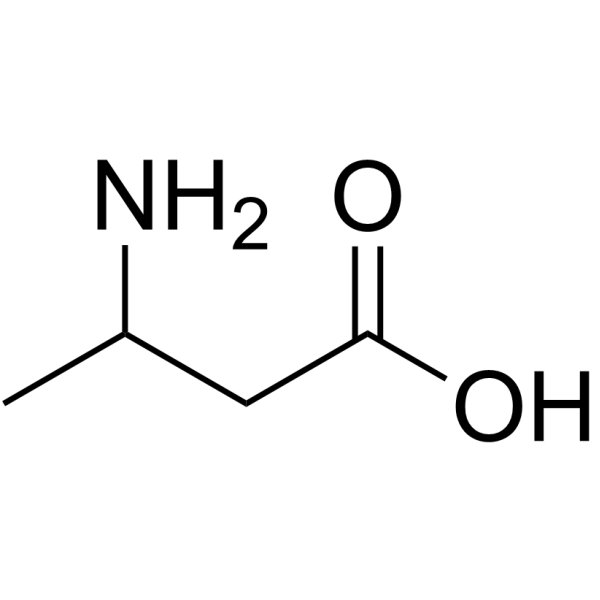
Parasite
Antiparasitics are a class of medications which are indicated for the treatment of parasitic diseases such as nematodes, cestodes, trematodes, and infectious protozoa.
Parasite Isoform Specific Products
All Product Categories
-
Productos relacionados con Parasite (2510)
Productos relacionados con (2510)

-
Related Compound Screening Libraries (1)
-
Parasite Isoform Comparison
-
Oxalic acid ammonium
 0 ImagesSynonyms: Ethanedioic acid ammoniumOxalic acid (Ethanedioic acid) ammonium is a dicarboxylic acid. Oxalic acid ammonium is widely found in various plants. Oxalic acid ammonium has antioxidant activity and can inhibit lipid peroxidation. Oxalic acid ammonium is a pathogenic factor of Sclerotinia sclerotiorum and can inhibit the oxidative burst of host plants. Oxalic acid ammonium has acaricidal activity. Oxalic acid ammonium can be used for related research on Sclerotinia sclerotiorum disease, Varroa mite disease and inflammatory diseases.
-
TCMDC-135051
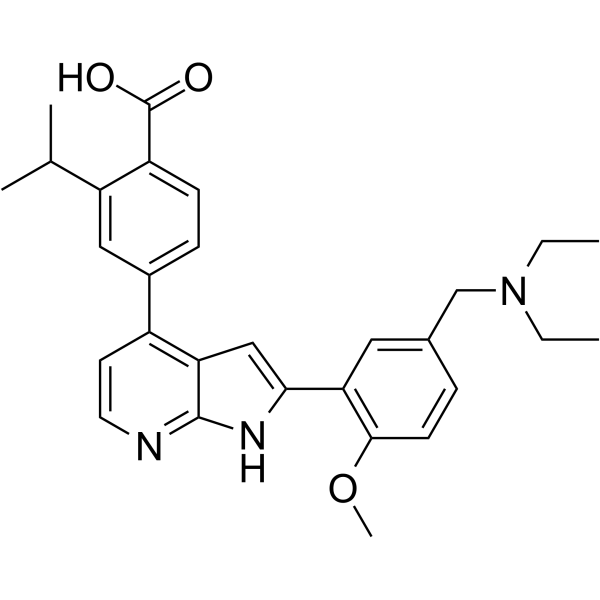 0 ImagesTCMDC-135051 is a highly selective and potent protein kinase PfCLK3 inhibitor with low off-target toxicity. TCMDC-135051 prevents trophozoite-to-schizont transition, disrupts transcription and reduces transmission to the mosquito vector. TCMDC-135051 has antiparasiticidal activity (EC50=320 nM).
-
Permethrin-d5
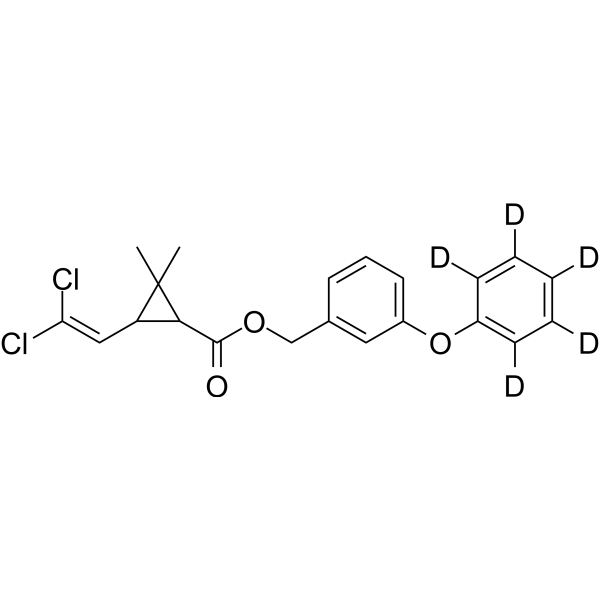 0 ImagesSynonyms: NRDC-143-d5Permethrin-d5 (NRDC-143-d5) is the deuterium labeled Permethrin. Permethrin (NRDC-143) is an insecticide, acaricide, and insect repellent; functions as a neurotoxin, affecting neuron membranes by prolonging sodium channel activation.
-
Rubiadin
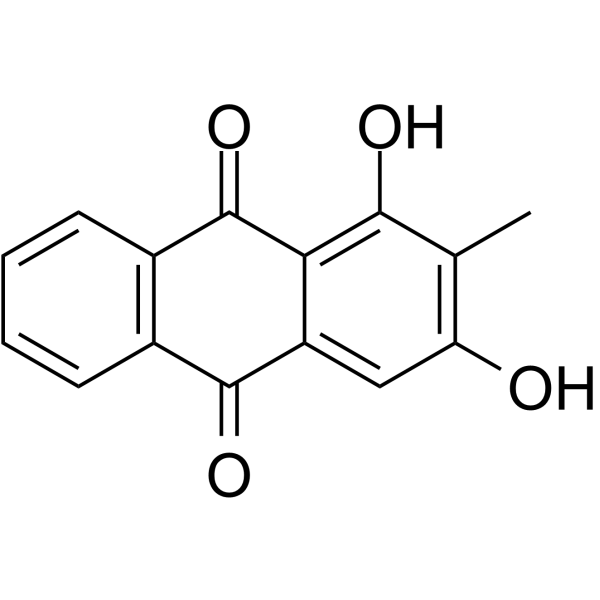 0 ImagesRubiadin is an orally active free radical scavenger that inhibits the activation of the NF-κB pathway. Rubiadin inhibits osteoclast formation, bone resorption, lipid peroxidation, HBV DNA replication and cancer cell proliferation; reduces pro-inflammatory cytokine levels; induces cancer cell apoptosis; and possesses antifungal, antimalarial, antibacterial and anticonvulsant activities. Rubiadin can be used in the research of osteoporosis, acute inflammation, chronic inflammation, carbon tetrachloride-induced liver injury, Alzheimer's disease, breast cancer, iron overload disorders, hepatitis B virus infection, colon cancer, liver cancer, T-lymphocytic leukemia, cervical cancer, diabetic nephropathy, epileptic seizures, fungal infections, malaria and bacterial infections.
-
Dimetridazole
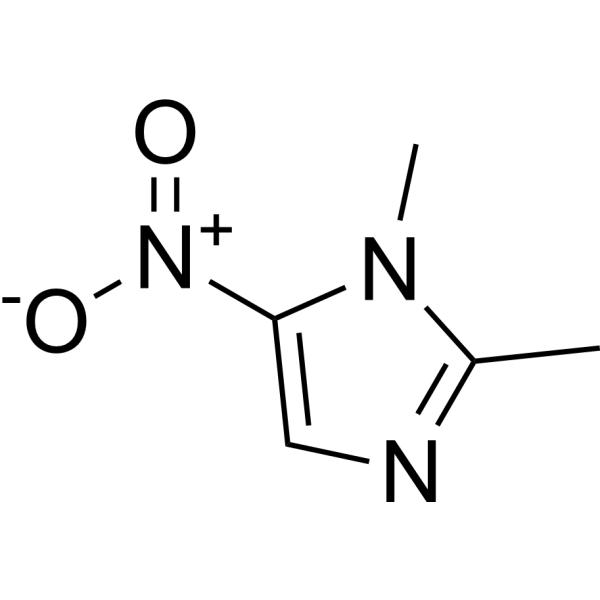 0 ImagesDimetridazole is a nitroimidazole antibiotic. Dimetridazole inhibits protein synthesis in cultures of Campylobacter jejuni. Dimetridazole is genotoxic. Dimetridazole can be used in the research of protozoal and bacterial infections.
-
Dithiazanine iodide
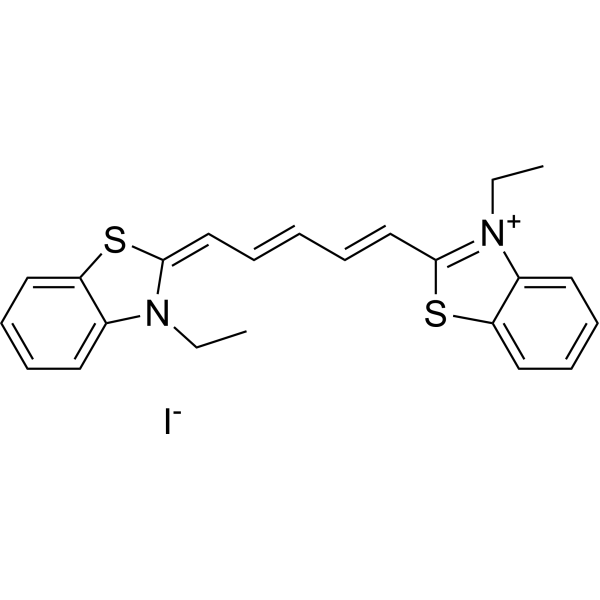 0 ImagesDithiazanine iodide is a broad-spectrum anthelmintic that induces irreversible relaxation and death of Trichuris trichiura. Dithiazanine iodide is used in research related to trichuriasis, strongyloidiasis, ascariasis, enterobiasis and hookworm infections.
-
Artelinic acid
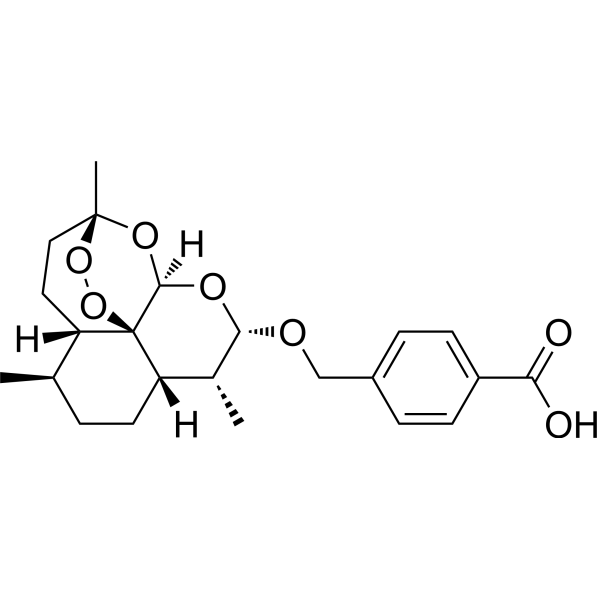 0 ImagesArtelinic acid, a derivative of Artemisinin, is an antimalarial agent for the treatment of multidrug resistant strains of Plasmodium falciparum. Artelinic acid can be administered by various routes of administration, including intravenous, intramuscular and oral routes.
-
Tridecanedioic acid
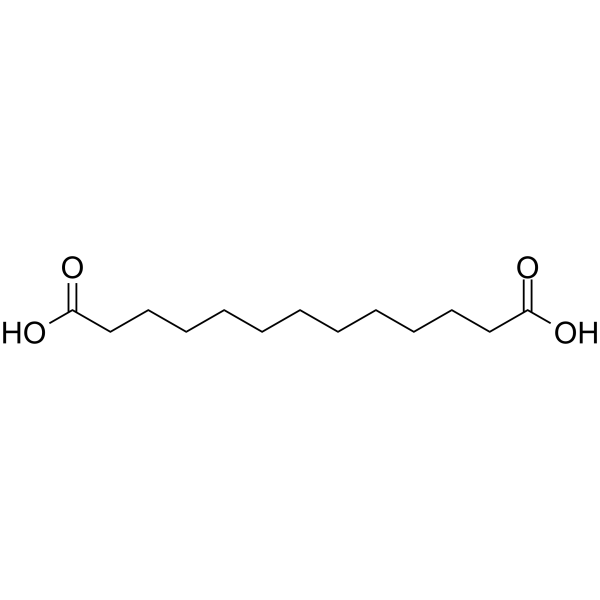 0 ImagesTridecanedioic acid is an endogenous metabolite. Tridecanedioic acid is an endogenous metabolite. Tridecanedioic acid is related to the metabolic regulation of non-alcoholic fatty liver disease (NASH) and may be an important node molecule in the intestinal microbiota-host metabolism interaction network. Tridecanedioic acid is significantly accumulated in tolerant cabbage-type rapeseed varieties and has a lower content in sensitive varieties. It plays an important role in the defense response against the infection of the small cabbage moth (Plutella xylostella). Tridecanedioic acid can be used as a biomarker for plant insect resistance or a diagnostic marker for metabolic diseases.
-
Argifin
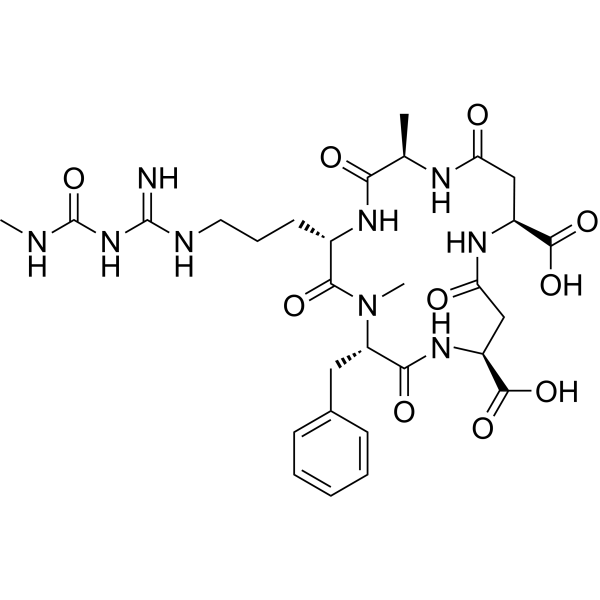 0 ImagesArgifin is a sub-nanomolar chitinase inhibitor produced by soil microorganisms, with IC50s of 0.025 μM, 6.4 μM , 1.1 μM and 4.5 μM for SmChiA (Serratia marcescens chitinaese A), SmChiB, Aspergillus fumigatus chitinase B1 and human chitotriosidase, respectively.
-
Dihydroartemisinin (Standard)
 0 ImagesReferencia número: HY-N0176RNo. CAS: 71939-50-9Synonyms: Dihydroqinghaosu (Standard); β-Dihydroartemisinin (Standard); Artenimol (Standard)Dihydroartemisinin (Standard) (Dihydroqinghaosu (Standard)) is the analytical standard of Dihydroartemisinin (HY-N0176). This product is intended for research and analytical applications. Dihydroartemisinin is an orally active metabolite of rtemisinin (HY-B0094) and antimalarial agent. Dihydroartemisinin induces Autophagy by inhibiting NF-κB activation. Dihydroartemisinin promotes ROS accumulation. Dihydroartemisinin exhibits anticancer activity in esophageal cancer cells. Dihydroartemisinin shows schistosomicidal activity against juvenile and adult worms of Schistosoma japonicum, reduces worm burden, and displays antiparasitic activity. Dihydroartemisinin can be used in research related to multiple myeloma, promyelocytic leukemia, esophageal cancer, and Schistosoma japonicum infection.
-
Cannflavin B
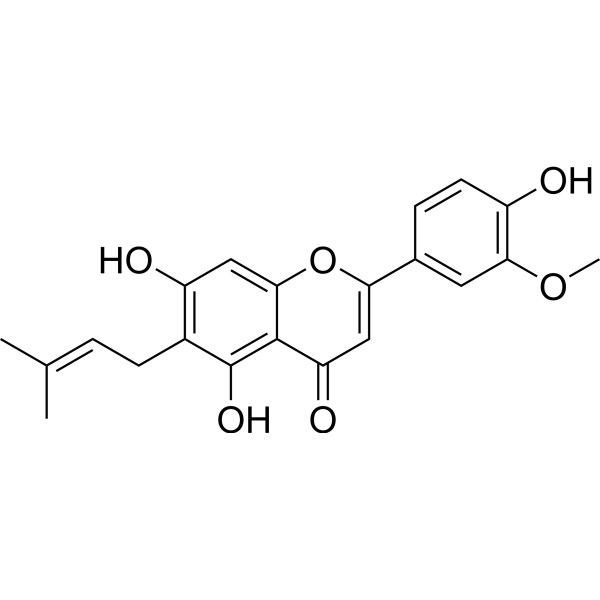 0 ImagesSynonyms: CanniflavoneCannflavin B is a flavonoid compound that can be isolated from Cannabis sativa L. Cannflavin B is inhibitors of PGE2 release (IC50: 0.7 μM), mPGES-1 (IC50: 3.7 μM), and 5-lipoxygenase. Cannflavin B has multiple activities such as anti-inflammatory, antioxidant, anti-glycation, anti-ferroptosis, anti-tumor, and anti-Leishmania (IC50: 14 μM). Cannflavin B can also inhibit the TrkB-BDNF signaling pathway.
-
Chloroquinoxaline sulfonamide
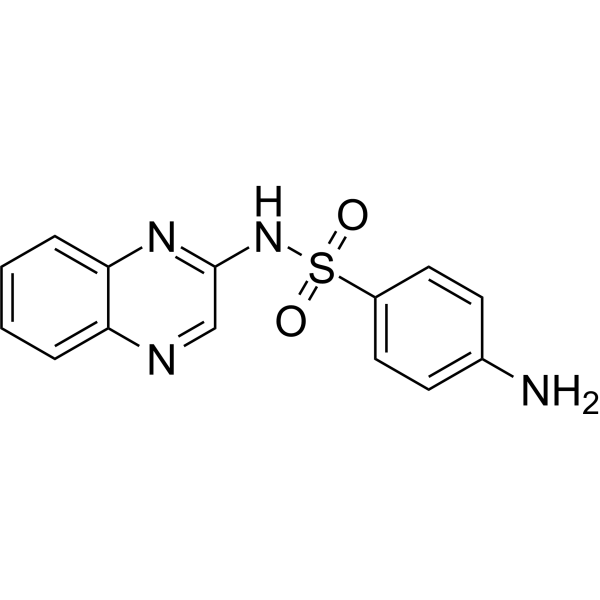
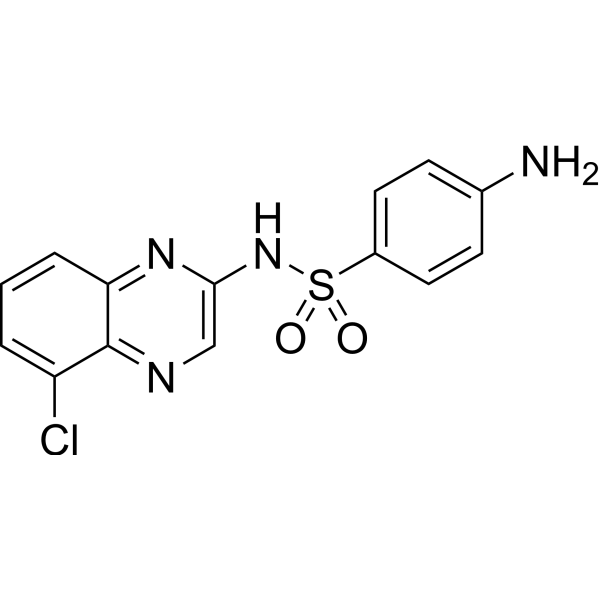 0 ImagesSynonyms: Chloroquinoxaline; NSC-339004Chloroquinoxaline sulfonamide (Chloroquinoxaline), a structural analogue of sulfaquinoxaline, is a topoisomerase II alpha/beta poison. Chloroquinoxaline sulfonamide is used to control coccidiosis in poultry, rabbit, sheep, and cattle. Antitumor activity.
-
Lupeol acetate
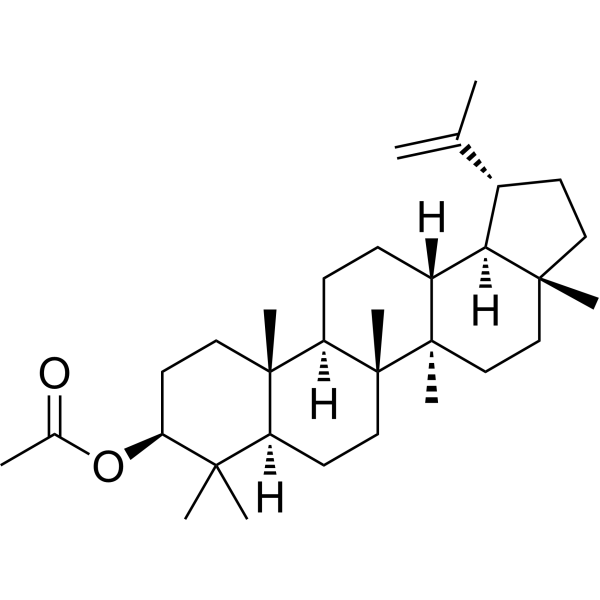 0 ImagesLupeol acetate is a derivative of Lupeol. Lupeol acetate is an anti-inflammatory, antibacterial, anti-trypanosomic and anticancer agent with oral activity. Lupeol acetate significantly improves the symptoms of rheumatoid arthritis by down-regulating the expression of inflammatory cytokines and osteoclast production. Lupeol acetate inhibits spermatogenesis in male rats and eventually led to infertility.
-
Diazinon
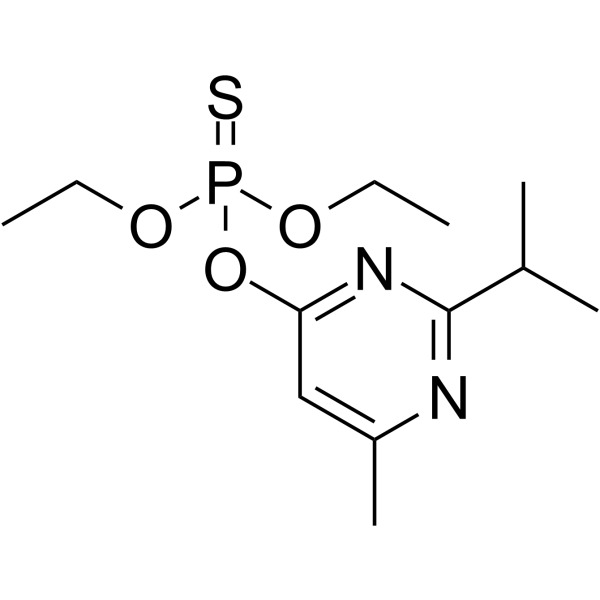 0 ImagesDiazinon is an orally active, irreversible AChE inhibitor and insecticide that can be absorbed through the digestive system, skin or respiratory tract. Diazinon inhibits AChE, leading to accumulation of acetylcholine, which in turn overstimulates ACh receptors and affects the nervous system. Diazinon also produces reactive oxygen species (ROS), which induce oxidative stress in various tissues. Diazinon is mainly used in the agricultural field as an insecticide and may have potential effects on human and animal health.
-
Licoflavone B
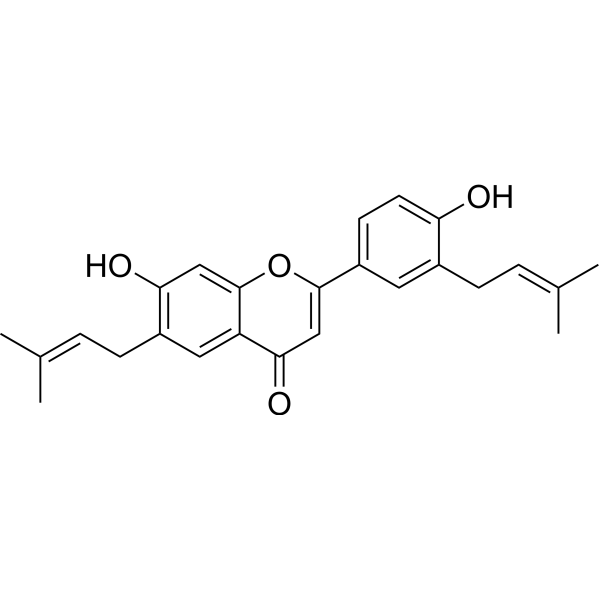 0 ImagesLicoflavone B is an orally active flavonoid, with IC50 values of 23.78 μM and 31.5 μM against SmATPase and SmADPase of Schistosoma mansoni, respectively. Licoflavone B selectively targets viral RdRp, inhibits viral replication, and reduces the expression levels of viral NP and PB2. Licoflavone B inhibits c-Myc expression and suppresses cancer cell proliferation. Licoflavone B disrupts the tegument of worms, reduces egg production, and induces the death of adult Schistosoma mansoni. Licoflavone B blocks the activation of the MAPK pathway, maintains colonic barrier integrity, inhibits colonic cell apoptosis, and reshapes the gut microbiota. Licoflavone B can be used in research related to influenza, multiple myeloma, schistosomiasis, and ulcerative colitis.
-
ABMA
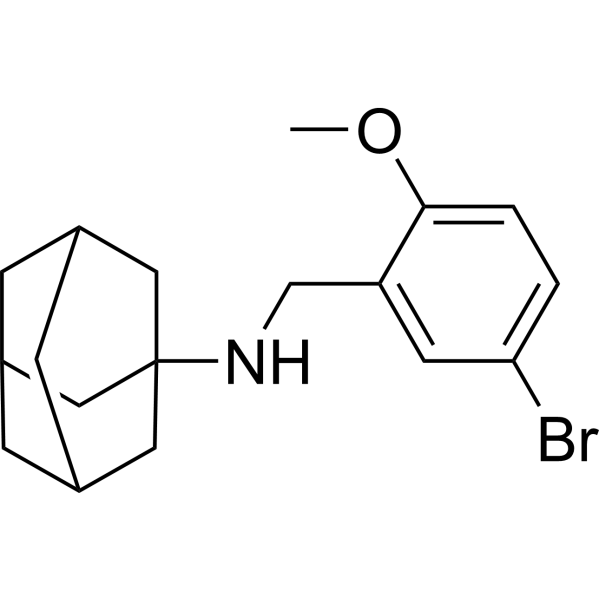 0 ImagesABMA is a broad-spectrum inhibitor of intracellular toxins and pathogens. ABMA efficiently protects cells against various toxins and pathogens including viruses, intracellular bacteria and parasite. ABMA selectively acts at host cell late endosomes rather than targeting toxin or pathogen itself. ABMA has broad-spectrum anti-infection activity.